It’s 7:15 on the morning of October 19th, and there’s frost on the hood of my truck at the gate of an old logging job off Route 171 in Ossipee. The gate’s been chained since the loggers pulled out in 2021, which suits me fine. What they left is five or six years grown now: birch, alder, raspberry, and blackberry coming up waist-deep. That’s grouse cover whether the foresters draw it that way on a map or don’t. My setter Pete is in the back seat making the sound he only makes at gates. He’s twelve years old and white with orange patches, and he hasn’t hurried since he was four. He still insists on coming. I still insist on bringing him. Every October we renegotiate the pace.
What October does to the cover
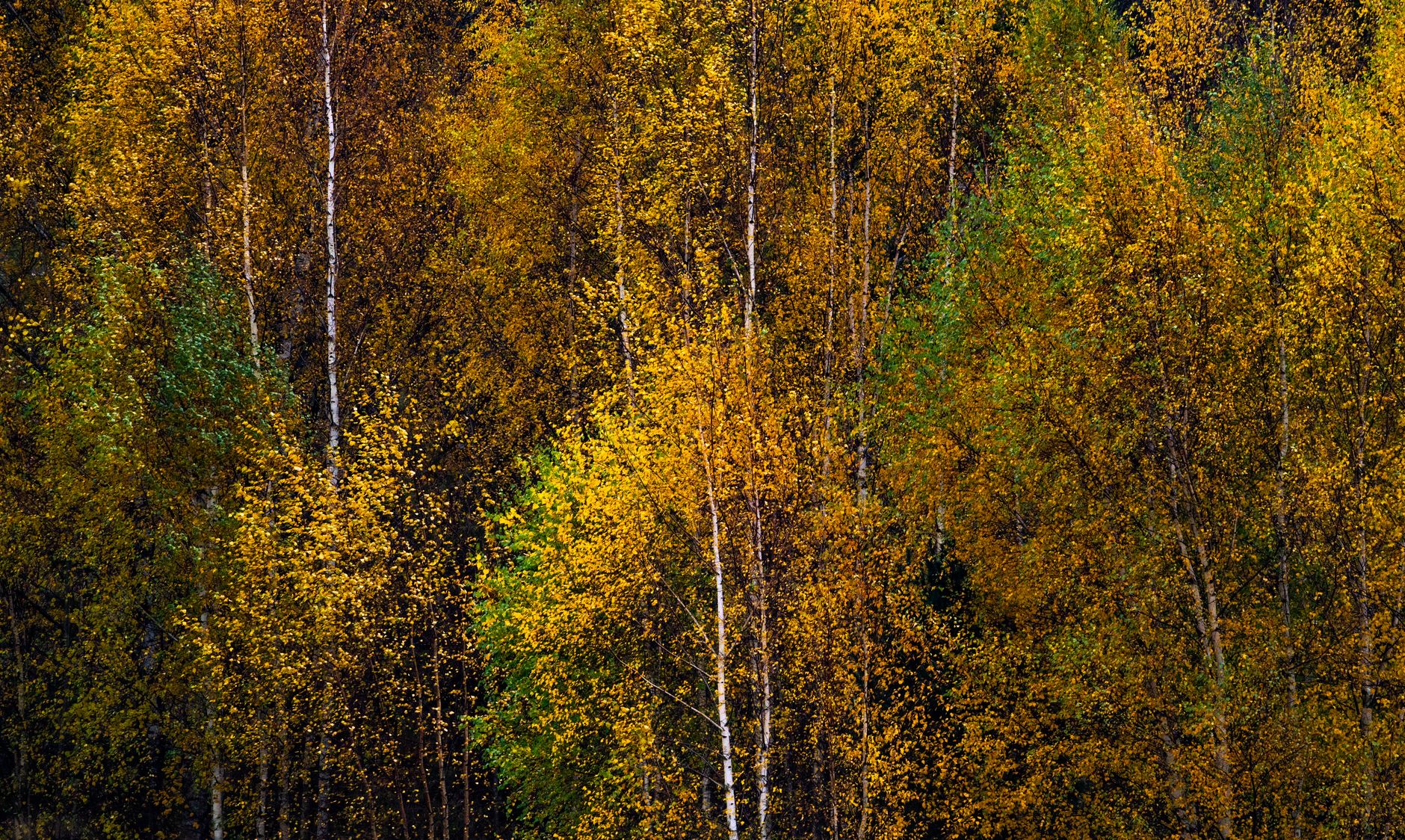
The bird we’re after is the ruffed grouse, which is a bird of young, thick, tangled cover and gets less impressive the more of it you cut. Around here folks call it a partridge, which is wrong and will stay wrong, because that particular argument went out of style around the time the mills closed.
In September this cut was a green wall. Then came the hard frost on the 12th at my place in Tuftonboro, twenty-six degrees at dawn, and a wind out of the northwest two days later. The birches and alders gave up their leaves and suddenly you can see fifteen yards where you used to see three. I don’t bother walking grouse cover much before the leaves come off. Everything changes in one week, and the birds know it too.
The young of the year are grown by October, hatched back in May or June off the drumming log their father worked in April. They’re feeding on birch catkins now, plus whatever grapes and hawthorn berries the frost didn’t take. In November they’ll shift to buds and get leaner and wilder. Late October is the window: birds big enough to eat, cover thin enough to walk, and weather that hasn’t turned stupid yet.
The state runs a small game hunter survey every year, and the 2021 numbers had hunters with dogs seeing about 1.35 grouse per hour in the North Region, which sounds like nothing until you’ve spent an hour in alders with no dog. Up in Coos County there’s federal ground at the Umbagog National Wildlife Refuge, and their hunting page notes that pointing or flushing dogs are invaluable for finding grouse in that big country. That is the politest way anyone has ever written down bring a dog or go home.
The dog’s opinion
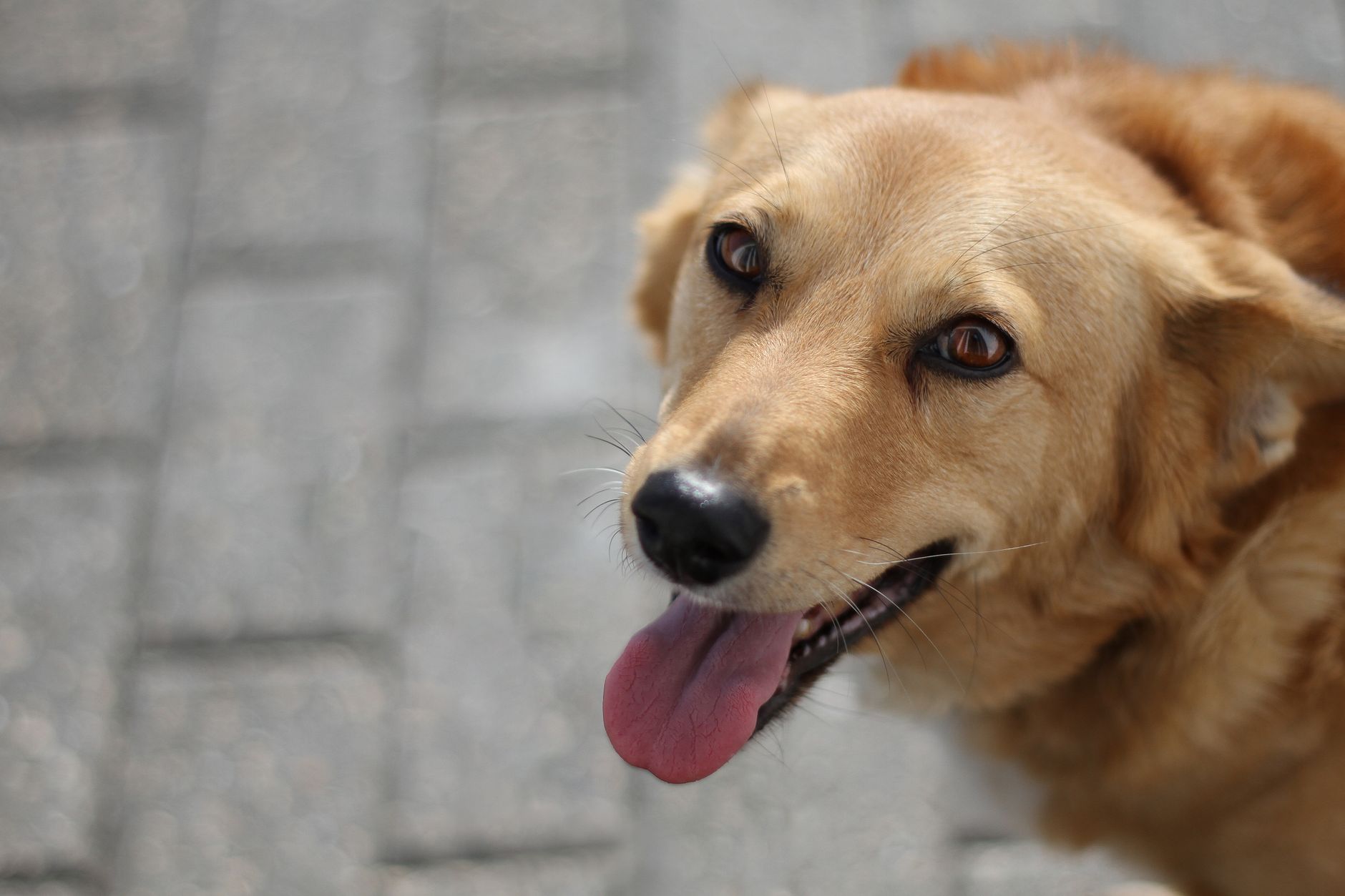
Pete’s nose is fine. It’s his legs that have opinions now. He quarters at a walk, covers maybe a third of the ground he did at five, and about every forty minutes he finds a sunny spot and pretends to be on point at nothing. I’ve also watched him hold a real point for three minutes on a woodcock in the alders and then look at me like it was my fault the bird got up when I walked in.
What a dog does to a grouse morning is mostly about the birds. A grouse that will run forty yards and flush wild at the crack of a stick for you will often hold for a dog, and a bird that holds is a bird you get a reasonable shot at. The New Hampshire season opens the first of October and runs into December, five birds a day, and I have never once in twenty seasons come close to the limit. The limit is for people who hunt over a dog that’s younger than mine and better behaved.
Pete also runs the schedule. When he sits down in the middle of the trail and looks at me, the hunt is over, and over a lot of seasons I’ve learned to treat that as information. Last Tuesday it happened at 10:40, two hours in, and we went home and he slept on the floor in front of the stove until supper. He has pointed exactly one porcupine every October for eleven years running. Some traditions I’d like him to drop.
The arithmetic of a grouse morning
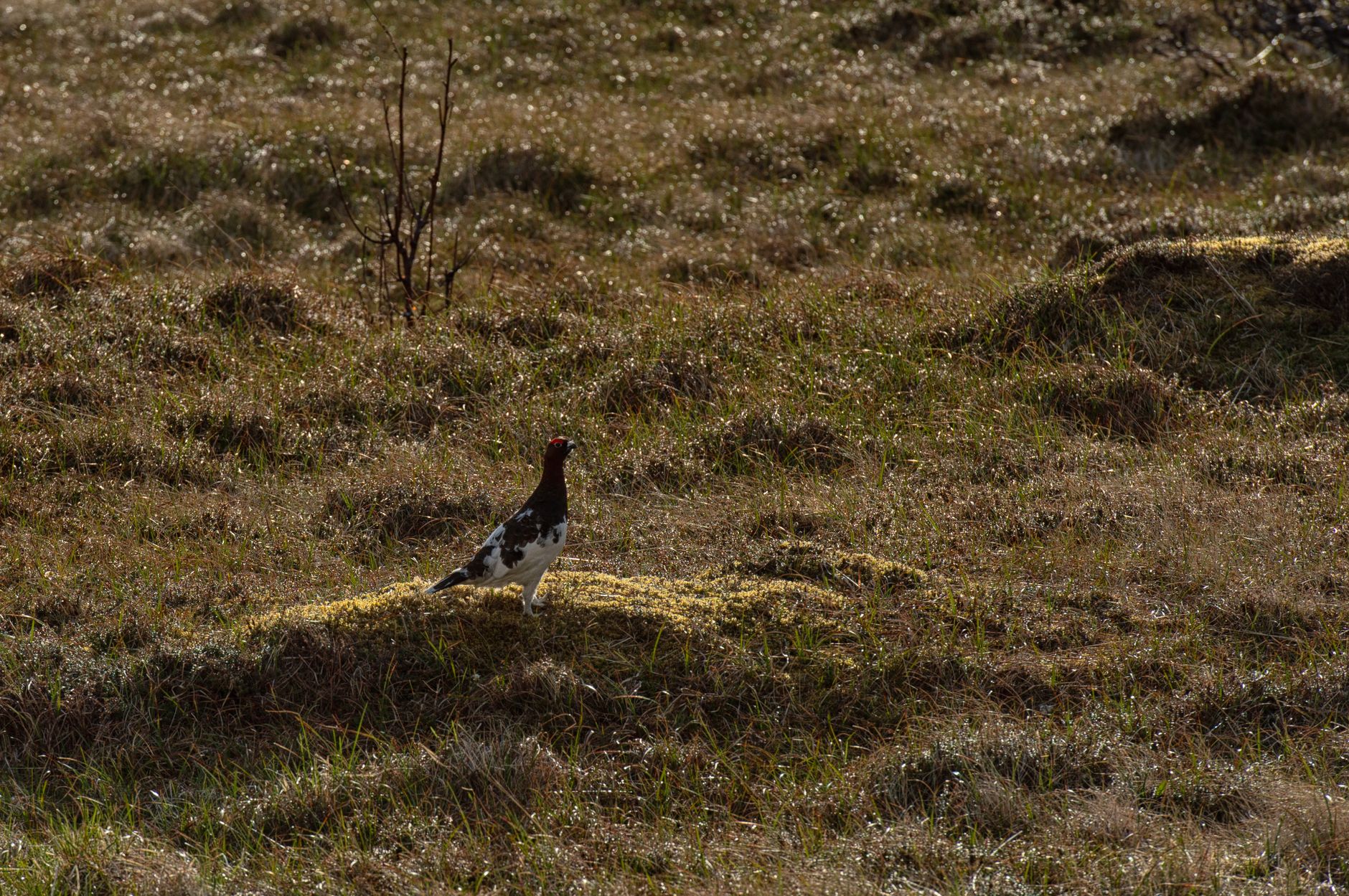
That morning on Route 171: 4.2 miles by the watch, four hours, five birds moved, two shots fired, one bird in the bag, and one grouse that came out of an alder tangle so fast I don’t know how it threaded the branches. The second shot was a gift and I missed it. Grouse hunting is mostly walking, and if you go into it counting birds you’ll be burned out by the second weekend.
Count flushes instead. A morning with five flushes is a fine morning. A morning with one is a walk in the October woods, which beats most of the alternatives on a Saturday.
As for Pete, he’ll be thirteen next October if we’re both lucky. He’ll go as slow as he wants and I’ll trail behind him with the safety on more than a good instructor would approve of. The grouse will be in the alders like they are every year, and the leaves will come off the birches the week after the first hard frost, same as always. Some things you can set your watch by. A twelve-year-old setter is one of the things you can’t, and I’ve stopped trying.